
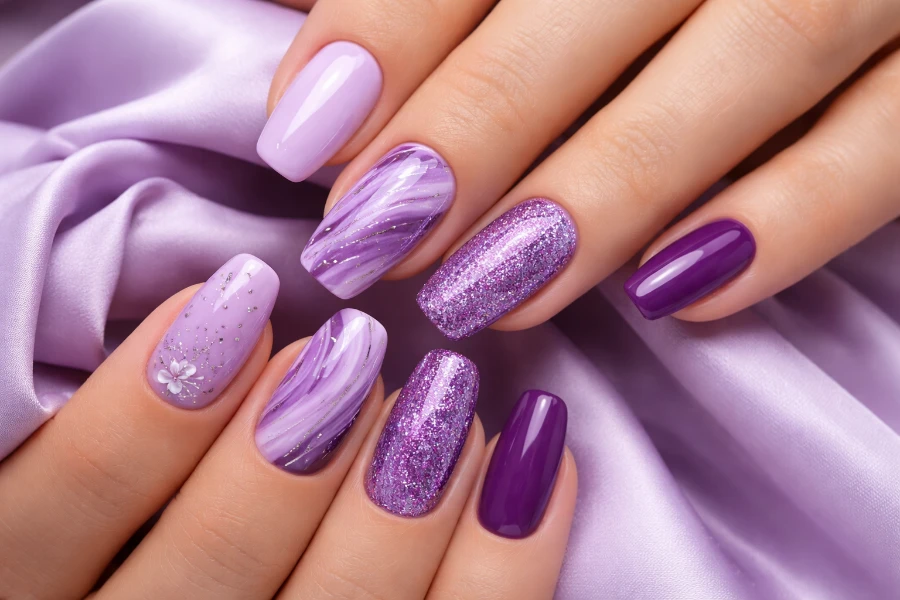
Nail art trends come and go, but nail art viola has a way of staying relevant without begging for attention. It’s expressive without being loud. Elegant without being predictable. Bold, yet grounded. From soft lilac washes to deep plum statements, nail art viola sits in that rare sweet spot where creativity and refinement overlap—and once you understand how to use it well, it becomes one of the most versatile tools in your nail design playbook.
I’ve seen clients walk in unsure about purple and walk out wondering why they ever avoided it. That’s the power of viola. It adapts. It elevates and it tells a story without explaining itself.
This article breaks down exactly how to use nail art viola thoughtfully. Not trend-chasing. Not overdone. Just smart, intentional design choices that work.
What “Viola” Really Means in Nail Art
Let’s clear something up first.
Viola isn’t just purple.
In nail art, viola refers to a spectrum of purple-adjacent shades that range from airy lavender to moody aubergine. It includes lilac, dusty violet, plum, orchid, and deep wine tones. Each carries a different mood. Each behaves differently on the nail.
What separates nail art viola from basic purple polish is intention. The shade selection is deliberate. The finish matters. The design complements the color instead of competing with it.
That’s why nail art viola feels elevated even when the design is simple.
Why Nail Art Viola Feels So Timeless
Some colors burn hot and fast. Viola doesn’t.
Purple has long been associated with creativity, depth, and independence. But viola tones soften that symbolism. They feel thoughtful instead of flashy. Confident instead of aggressive.
In practice, this means:
- Viola designs don’t age quickly
- They transition well between seasons
- They work across casual and formal settings
That’s rare.
When a client wants something “different but safe,” nail art viola is often the answer—even if they don’t realize it yet.
The Psychology Behind Choosing Viola Nails
Color choices aren’t random. Even when we think they are.
People gravitate toward nail art viola during moments of change. New routines. New seasons. Quiet reinvention. There’s something about viola that feels introspective but hopeful.
Lighter viola shades often signal openness and calm. Deeper tones communicate control and confidence. Metallic or chrome finishes add edge without chaos.
That’s why viola nails feel personal. They don’t scream for validation. They assume it.
Minimalist Nail Art Viola (Where Less Wins)
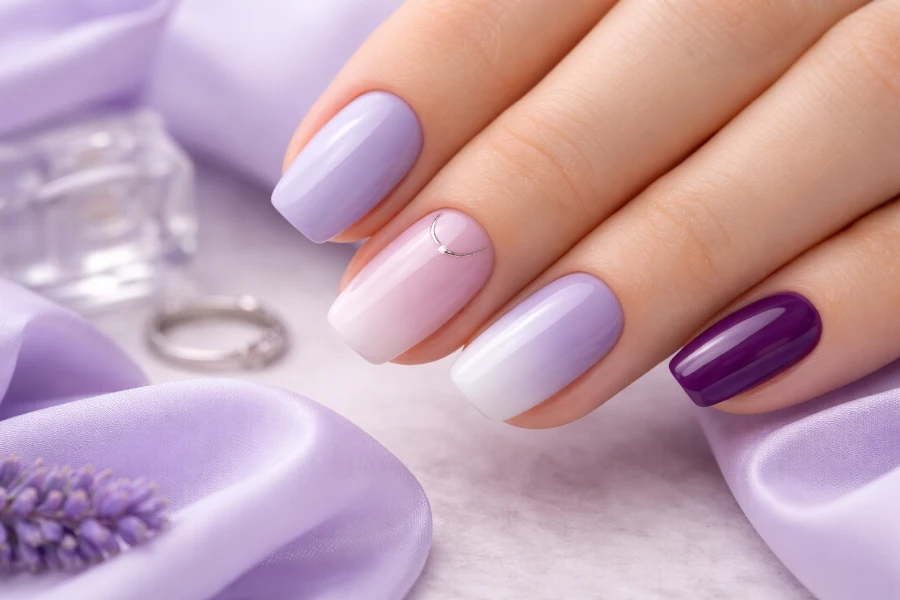
Minimalism is where nail art viola truly shines.
A single viola shade. Clean cuticles. Intentional shape. That’s it.
Minimal viola nails work because the color already carries visual interest. You don’t need layers of decoration to justify it.
Smart minimalist approaches include:
- Solid viola with a glossy top coat
- Matte plum with one micro-gloss accent nail
- Soft lavender with negative space near the cuticle
Short nails benefit most from minimalist viola designs. The color elongates the nail visually without overwhelming it.
This is nail art viola at its most wearable.
Floral Nail Art Viola (Done With Restraint)
Florals can easily go wrong. Too busy. Too sweet and too obvious.
Viola grounds them.
A viola base paired with neutral florals—white, cream, muted pink—creates balance. It keeps the design elegant rather than ornamental.
Best practices for floral viola nails:
- Use florals on one or two nails only
- Keep petal outlines thin and deliberate
- Choose one viola tone, not multiple
Floral nail art viola works best on almond and oval shapes, where the curves echo the softness of the design.
Abstract and Artistic Viola Nail Designs
If minimalist feels too quiet, abstract viola nails bring movement.
This is where lines, swirls, and asymmetry come into play—but control is everything.
Abstract nail art viola designs work when:
- Viola is the anchor color
- Accent colors stay neutral (nude, white, soft grey)
- Patterns flow naturally across the nail
Think fluid motion, not chaos.
Abstract designs are especially effective for medium-length nails, where there’s enough surface area to breathe without feeling crowded.
Glitter, Chrome, and Metallic Viola Nails
Viola and shine are natural allies.
But shine needs discipline.
A full glitter viola set can quickly feel heavy. A better approach is contrast—pairing shimmer with restraint.
Effective combinations include:
- Matte viola with one chrome accent nail
- Soft violet base with fine glitter gradients
- Deep plum with metallic foil details
Chrome works best with cooler viola tones. Glitter pairs better with warmer, wine-like shades.
When done right, metallic nail art viola feels luxurious, not loud.
Nail Art Viola by Nail Shape
Shape matters more than most people think.
The same viola shade can feel completely different depending on the nail’s silhouette.
Quick guide:
| Nail Shape | Best Viola Styles |
| Short / Round | Solid viola, micro accents |
| Square | Matte viola, geometric lines |
| Almond | Floral, abstract designs |
| Coffin | Chrome, ombré, layered art |
| Oval | Soft gradients, minimalist art |
Choosing the wrong shape-shade pairing is one of the most common mistakes with nail art viola.
Seasonal Nail Art Viola Ideas
Viola adapts beautifully across the year.
Spring & Summer
Lighter tones dominate here.
- Lavender
- Lilac
- Pastel violet
Pair them with sheer bases, floral details, or glossy finishes. These designs feel fresh without being childish.
Fall & Winter
This is viola’s power season.
- Plum
- Aubergine
- Deep wine
Matte finishes, velvet textures, and minimal metallic accents shine here. Dark nail art viola looks intentional when paired with clean execution.
Choosing the Right Viola Shade for Your Skin Tone
This step is often skipped. It shouldn’t be.
Viola shades can either brighten your hands or dull them depending on undertone.
General guidance:
- Fair skin: Lavender, cool lilac
- Medium skin: Orchid, soft plum
- Deep skin: Aubergine, rich violet
If your undertone is warm, lean toward red-based purples. Cool undertones work best with blue-based viola shades.
Testing matters. So does lighting.
DIY Nail Art Viola vs. Salon Designs
Not all viola designs are DIY-friendly.
Solid colors, minimalist accents, and simple florals can be done at home with patience and the right tools. Complex chrome layers, sculpted art, and multi-dimensional finishes belong in a salon.
DIY-friendly viola designs:
- Solid polish
- Simple swirls
- Accent dots or lines
Salon-only territory:
- Chrome overlays
- Velvet finishes
- Layered abstract art
Knowing the difference saves time, money, and frustration.
Common Mistakes with Nail Art Viola
Even great colors can fail with poor execution.
Avoid these pitfalls:
- Overloading designs with too many shades
- Pairing viola with clashing bright colors
- Ignoring nail prep (viola shows flaws easily)
Dark viola pigments also stain more easily. A proper base coat isn’t optional—it’s essential.
Nail Art Viola for Different Occasions
Context matters.
For everyday wear, choose muted viola tones with clean finishes. For events, deepen the shade or add texture and for social media, contrast and shine work—but only when balanced.
The beauty of nail art viola is flexibility. You don’t need a new color for every situation. You just need a smarter approach.
Nail Care Tips to Keep Viola Nails Looking Fresh
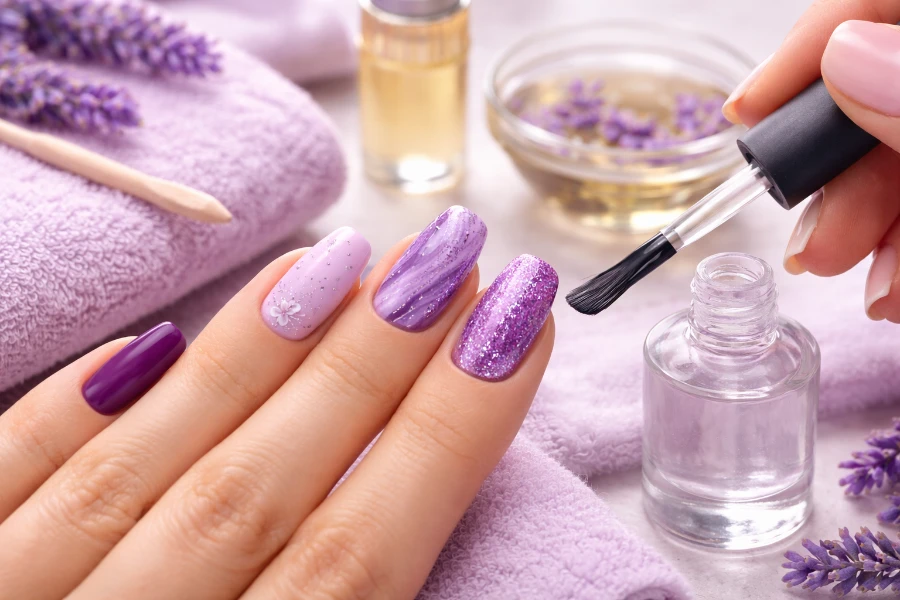
Viola demands maintenance.
Dark shades show chips faster. Matte finishes fade without care. Regular top coat refreshes extend wear significantly.
Hydrated cuticles also make viola look richer. Dry skin dulls the effect no matter how perfect the polish is.
Care isn’t optional. It’s part of the design.
Why Nail Art Viola Endures
Trends cycle. Taste matures.
Nail art viola survives because it grows with the wearer. It works when you want subtlety. It rises when you want presence and it doesn’t rely on novelty to feel relevant.
That’s the mark of a lasting aesthetic.
Once you understand viola—not just as a color, but as a design language—it becomes a signature rather than a phase.
And honestly? That’s when nail art gets really interesting.
FAQs
Nail art viola refers to nail designs using viola-toned shades like lavender, plum, lilac, and deep violet, often paired with intentional artistic elements.
Yes, minimalist nail art viola designs in soft or muted tones are highly wearable and work well for daily routines and professional settings.
Almond, oval, and short square nails showcase nail art viola particularly well, as they balance the color’s richness without overpowering the hand.
Darker viola shades can make chips more visible, which is why proper prep and a quality top coat are essential.
Simple nail art viola styles like solid colors, subtle lines, or accent nails are beginner-friendly and achievable with basic tools.
Lighter viola shades are popular in spring and summer, while deep plum and aubergine tones dominate fall and winter.
Yes, nail art viola works across all skin tones when the shade is chosen to match warm or cool undertones.
Both work well, but matte finishes feel more modern while glossy finishes enhance the richness of viola shades.
Always apply a base coat before using dark viola shades to protect the natural nail and prevent discoloration.
Nail art viola remains popular because it balances elegance, creativity, and adaptability across trends, seasons, and occasions.