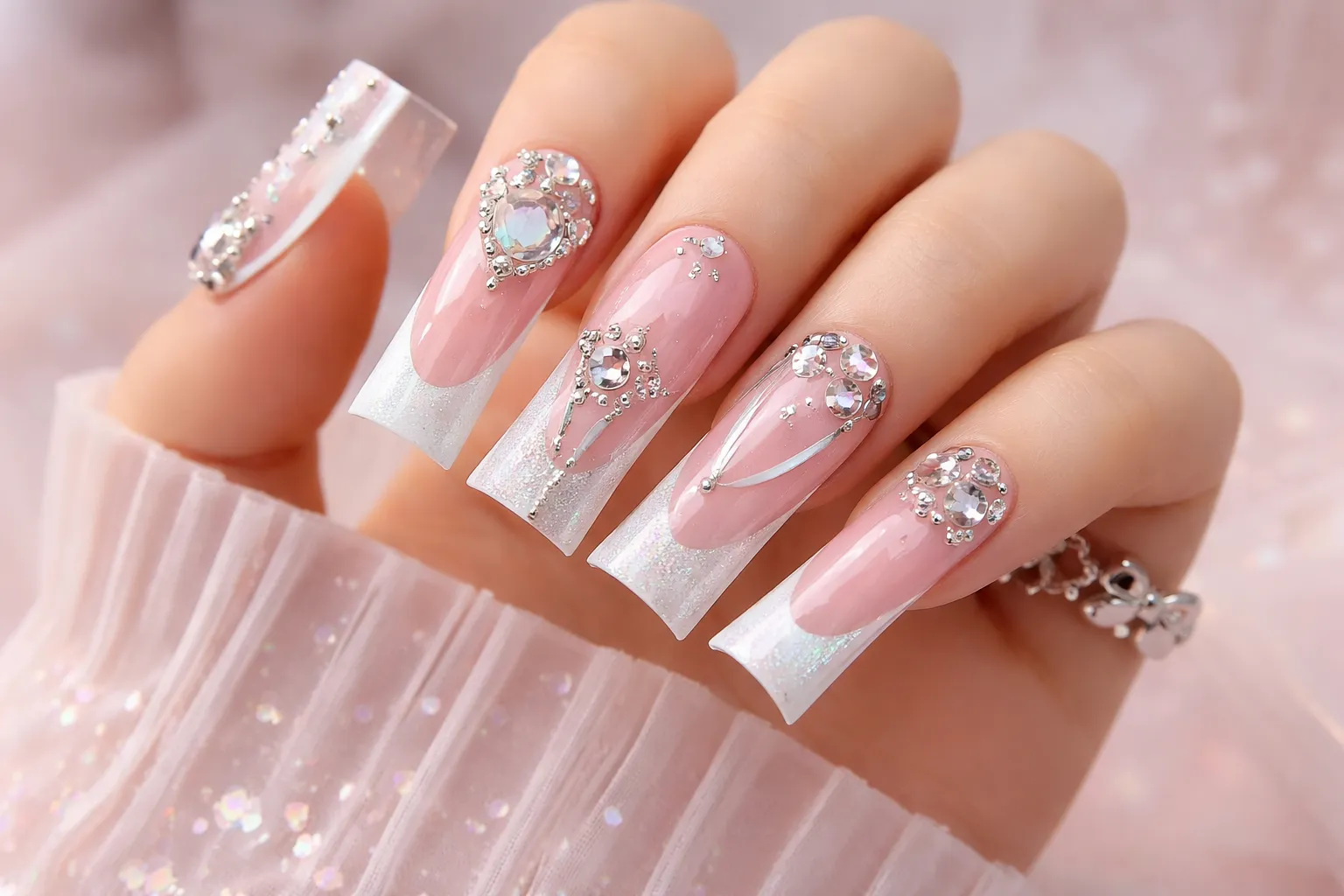
Duck shape nails don’t whisper.
They announce themselves.
If you’ve spent even five minutes scrolling through nail inspiration lately, you’ve seen them. Wide tips. Dramatic flair. Designs that stretch outward instead of tapering in. Duck shape nails are unapologetic, expressive, and designed for people who don’t want their manicure to quietly “go with everything.” They want it to say something.
I remember the first time I saw duck shape nails in real life. Not online. Not filtered. On an actual person ordering coffee. They were glossy, flared, and decorated with tiny gems that caught the light every time she moved her hands. You couldn’t ignore them. And honestly? That’s the point.
This guide breaks down exactly what duck shape nails are, why they’re back, how to wear them well, and whether they actually make sense for your lifestyle. No fluff. No trend-chasing hype. Just real guidance for anyone considering this bold nail shape.
What Are Duck Shape Nails?
Let’s start with the basics.
Duck shape nails are defined by their flared tips. Instead of narrowing toward the end like almond or stiletto nails, duck nails widen outward, creating a silhouette that resembles a duck’s foot. Hence the name.
They usually have:
- A narrower base near the cuticle
- A noticeably wider free edge
- A flat or slightly squared tip
The width is intentional. This isn’t poor shaping or over-filing. It’s a design choice.
What makes duck shape nails stand out is how much visual space they create. That extra width turns your nails into a canvas. Nail art doesn’t feel cramped. Designs can breathe. Details don’t get lost.
They’re dramatic by nature. Minimalists should proceed with caution.
The History and Comeback of Duck Nails
Duck shape nails aren’t new. They’re nostalgic.
The shape first gained popularity in the early 2000s, alongside bold makeup, low-rise jeans, and ultra-glossy lips. Back then, nail art leaned maximalist. More glitter. More color. And more shine. Duck nails fit right in.
Then trends shifted.
Coffin nails arrived. Almond nails took over. Clean lines and tapered shapes became the default. Duck nails faded into the background, often labeled outdated or impractical.
But fashion is cyclical.
As Y2K aesthetics resurfaced, so did duck shape nails—this time with better techniques, higher-quality products, and more refined artistry. Modern duck nails are intentional, symmetrical, and often surprisingly polished.
The comeback wasn’t accidental. Social media rewarded bold visuals. Duck nails delivered.
Duck Shape Nails vs Other Popular Nail Shapes
Not all nail shapes behave the same way. Duck shape nails play by different rules.
Duck vs Coffin Nails
- Coffin nails taper inward, then square off
- Duck nails flare outward dramatically
- Coffin nails feel structured
- Duck nails feel expressive
Square vs Duck Nails
- Square nails maintain the same width
- Duck nails widen toward the tip
- Square nails are practical
- Duck nails prioritize visual impact
Duck vs Almond or Stiletto
- Almond and stiletto elongate the fingers
- Duck nails emphasize width
- Almond feels elegant
- Duck feels bold and playful
There’s no “better” shape. Just different intentions.
Pros and Cons of Duck Shape Nails
Duck shape nails come with trade-offs. Let’s be honest about them.
Pros
- Visually striking and trend-forward
- Ideal for detailed nail art
- Strong structure at the nail bed
- Perfect for photos, events, and fashion looks
Cons
- Not discreet
- Can interfere with tight spaces
- Require skilled shaping
- Not ideal for hands-on work
If your nails are part of your personal style, duck nails shine. If you need subtlety, they may feel like overkill.
Popular Duck Shape Nail Lengths
Length changes everything.
Short Duck Shape Nails
Yes, they exist. And they’re surprisingly wearable.
Short duck shape nails still flare, but the effect is more controlled. They’re great for people who want the shape without full commitment.
Medium-Length Duck Nails
This is the sweet spot.
Medium-length duck shape nails balance drama and function. There’s enough space for designs without making daily tasks impossible.
Extra-Long Duck Nails
These are statement nails. Period.
Extra-long duck shape nails are meant to be seen. They photograph beautifully. They demand attention. They’re also the least practical.
Choose based on how you actually live.
Best Nail Designs for Duck Shape Nails
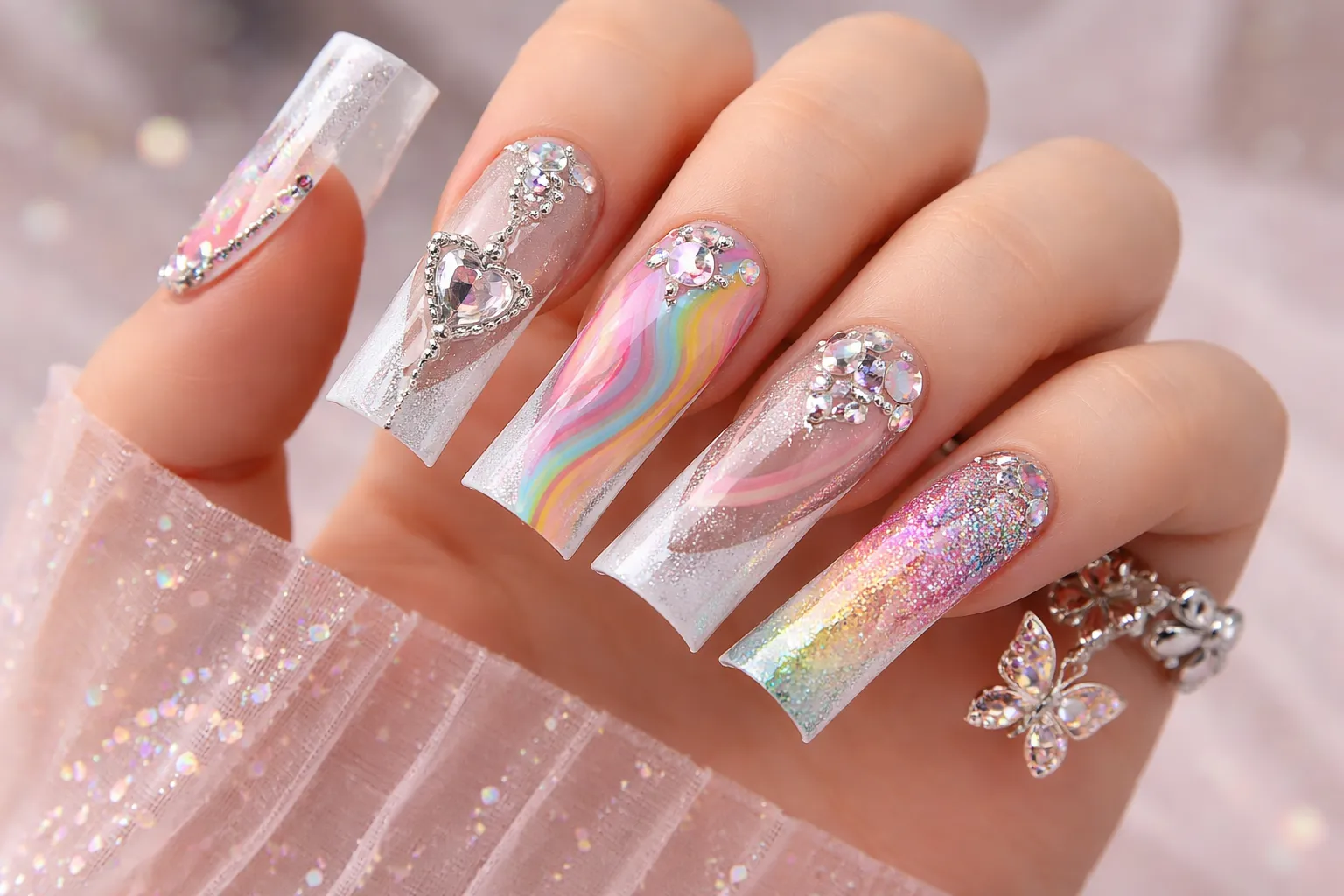
Designs matter more with duck nails than almost any other shape.
Why?
Because the surface area invites creativity.
Popular choices include:
- French tips that follow the flared edge
- Chrome finishes that amplify width
- Glitter gradients that draw the eye outward
- 3D charms and gems
- Abstract line art
Duck shape nails handle bold designs better than subtle ones. Tiny details often get lost. High contrast works best.
Color Ideas That Work Best on Duck Shape Nails
Color can either enhance or overwhelm the shape.
Strong options include:
- Nudes with bold outlines
- Neon shades with simple designs
- Black and white for graphic contrast
- Pastels paired with chrome accents
If you’re unsure, start neutral. Let the shape do the talking.
Duck Shape Nails: Acrylic, Gel, or Press-Ons?
Not all materials perform equally.
| Option | Best For | Longevity |
| Acrylic | Maximum structure | Long-lasting |
| Gel | Lighter feel | Moderate |
| Press-ons | Temporary wear | Short-term |
Acrylic is the most common choice for duck shape nails because it holds the flare without bending. Gel can work, but it requires reinforcement. Press-ons are fine for events, not daily wear.
How Nail Technicians Shape Duck Nails
This shape isn’t beginner-friendly.
Professional techs:
- Build structure before flaring
- File symmetrically on both sides
- Balance width with finger size
- Reinforce stress points
Poor shaping makes duck nails look sloppy instead of intentional. This is not the time to cut corners.
Are Duck Shape Nails Practical?
Short answer?
Sometimes.
Typing takes adjustment. Buttoning jeans can feel awkward. Tight pockets become enemies.
But practicality isn’t binary. Many people wear duck shape nails for specific periods—vacations, celebrations, fashion weeks—then switch back.
They’re situational nails. And that’s okay.
How to Maintain Duck Shape Nails
Maintenance matters more than length.
Actionable care tips:
- Schedule fills every 2–3 weeks
- Avoid using nails as tools
- Keep cuticles hydrated
- Address lifting immediately
Duck shape nails that aren’t maintained lose their appeal fast.
Duck Shape Nails at Home vs Salon
DIY shaping is risky.
The flare needs symmetry. The structure needs balance. One wrong file angle and the nail looks accidental, not designed.
Salons deliver:
- Cleaner lines
- Better durability
- Safer apex placement
If you value the look, invest in professional work.
Who Should Try Duck Shape Nails?
Duck shape nails work best for:
- Creative professionals
- Fashion-forward individuals
- Event-focused styling
- People comfortable with attention
They’re less ideal for:
- Manual labor
- Conservative dress codes
- Minimalist aesthetics
Self-awareness matters.
Duck Shape Nails in Fashion and Social Media
Social platforms love visuals that stop scrolling. Duck shape nails do exactly that.
They exaggerate movement. They catch light. And they photograph wide and bold, even on small screens.
That’s why they thrive online.
Common Myths About Duck Shape Nails
“They look cheap.”
Only when done poorly.
“They’re uncomfortable.”
Only if they’re too long or poorly balanced.
“They don’t last.”
Only if the structure is weak.
Most criticism comes from bad examples, not the shape itself.
Cost of Duck Shape Nails
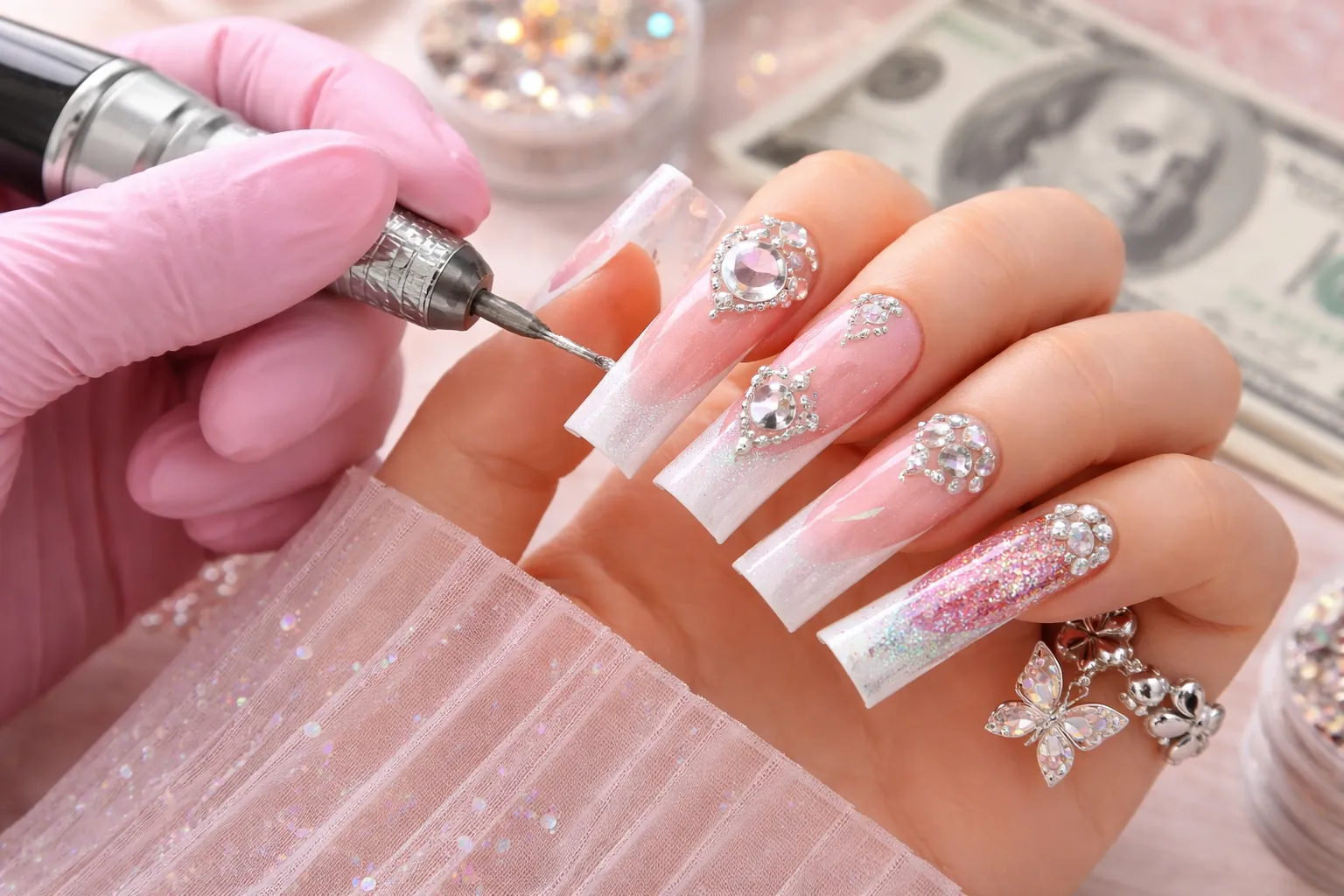
Pricing varies.
Expect:
- Higher base cost due to shaping time
- Additional fees for length and art
- More frequent fills if worn long-term
Quality duck shape nails cost more. That’s the trade.
How to Choose the Right Duck Nail Design for You
Ask yourself:
- Do I want subtle or bold?
- How long will I wear them?
- Do they match my wardrobe?
Duck shape nails should complement your style, not fight it.
The Future of Duck Shape Nails
Will they replace coffin or almond nails? Probably not.
But duck shape nails aren’t disappearing either. They’ve earned their place as a statement option—one that comes and goes with fashion cycles but never fully fades.
The designs will evolve. The techniques will improve. The shape will remain bold.
Final Thoughts
Duck shape nails aren’t for everyone.
They’re not meant to be.
But if you want a manicure that feels expressive, creative, and unapologetically visible, they’re worth experiencing at least once.
You don’t have to wear them forever.
You just have to wear them boldly.
And sometimes, that’s exactly what your style needs.
FAQs
Duck shape nails are flared nails that widen at the tip instead of tapering, creating a bold, statement-making silhouette.
Their Y2K revival, bold appearance, and strong presence on social media have brought duck shape nails back into popularity.
They can be, especially in shorter lengths, but extra-long duck shape nails may feel awkward for daily tasks.
Yes, when properly structured with acrylic or reinforced gel, duck shape nails can last just as long as coffin or square nails.
High-contrast designs, French tips, chrome finishes, and bold graphics work best because the wider tip offers more space.
They aren’t damaging on their own, but improper removal or poor application can weaken the natural nail.
Yes, press-on duck shape nails are available, but they’re best for short-term wear rather than long-term use.
They typically cost more due to the shaping time and structure required, especially with added length or detailed art.
They work best on medium to long fingers, but a skilled nail tech can adjust width and length for balance.
Salon application is recommended since proper symmetry and structural support are crucial for this nail shape.