
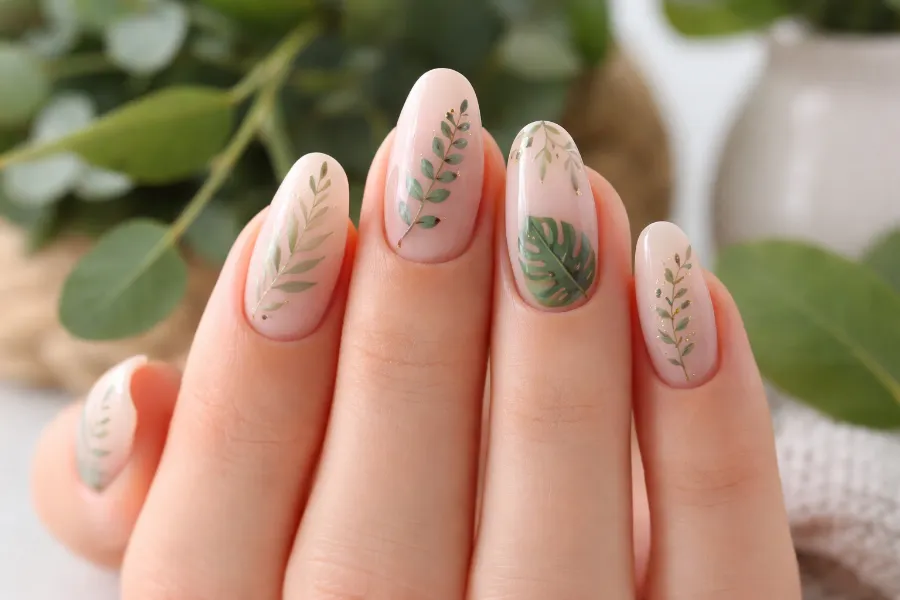
Plant nail art is having a real moment. Not a fleeting trend. Not a seasonal gimmick. A genuine shift in how people approach nail design. In a world that feels louder and faster every year, plant nail art brings something rare to the table: calm, intention, and organic beauty—without sacrificing style.
I’ve watched this style evolve from simple leaf accents into complex, editorial-level manicures that feel wearable and expressive at the same time. And that’s the magic of plant nail art. It adapts. It scales and it works just as well on short, natural nails as it does on long, sculpted sets.
This guide breaks down what plant nail art really is, why it resonates so strongly right now, and how to choose designs that look elevated—not busy or dated. Whether you’re a nail artist, a trend-driven client, or someone curating content that needs to perform visually, you’ll walk away with ideas you can actually use.
Let’s get into it.
What Plant Nail Art Really Means Today
At its core, plant nail art is exactly what it sounds like: nail designs inspired by greenery, foliage, and botanical forms. But the modern interpretation goes far beyond painting a leaf and calling it a day.
Plant nail art includes:
- Leaves, vines, stems, and branches
- Herbs, succulents, cacti, and tropical plants
- Abstract botanical shapes
- Minimal line art inspired by plant silhouettes
Unlike floral nail art, which often leans decorative or romantic, plant nail art feels grounded. Earthy. Architectural, even. It’s less about prettiness and more about balance, texture, and flow.
That’s why it works across so many aesthetics—from clean minimalism to bold, artistic sets.
Why Plant Nail Art Feels So Right Right Now
Trends don’t exist in a vacuum. Plant nail art aligns with broader shifts in how people want to look and feel.
We’re craving:
- Simplicity that still feels thoughtful
- Natural inspiration without being boring
- Beauty that looks intentional, not overworked
Plant nail art taps into all three.
There’s also a psychological element at play. Green tones and organic shapes are associated with calm and restoration. Even small visual cues—like a leaf detail or vine accent—can make a manicure feel less harsh and more wearable.
That’s a big reason plant nail art resonates with professionals, creatives, and minimalists alike.
Popular Styles of Plant Nail Art (And How They Differ)
Not all plant nail art looks the same. In fact, the category is broad enough that choosing the right direction matters.
Leaf-Focused Plant Nail Art
Leaves are the backbone of this trend. They’re versatile, recognizable, and easy to stylize.
Common approaches include:
- Tropical leaves like monstera or palm
- Thin, line-drawn leaf outlines
- Abstract leaf shapes layered over neutrals
Leaf designs work especially well as accent nails or repeating motifs across a set.
Herb & Botanical-Inspired Designs
Herb-based plant nail art feels softer and more editorial.
Think:
- Eucalyptus stems
- Lavender sprigs
- Delicate botanical sketches
These designs shine on sheer or milky bases and are perfect for clients who want something subtle but elevated.
Cactus & Succulent Nail Art
Cactus-inspired plant nail art walks the line between playful and graphic.
You’ll often see:
- Rounded succulents with soft shading
- Stylized desert plants
- Earth-tone palettes with pops of green
These designs work best when they’re simplified. Over-detailing can quickly make them feel cartoonish.
Vine & Ivy Nail Designs
Vines add movement. They wrap, flow, and connect nails visually.
This style works beautifully when:
- Vines trail across multiple nails
- Negative space is used strategically
- The design follows the nail’s natural curve
Color Palettes That Elevate Plant Nail Art
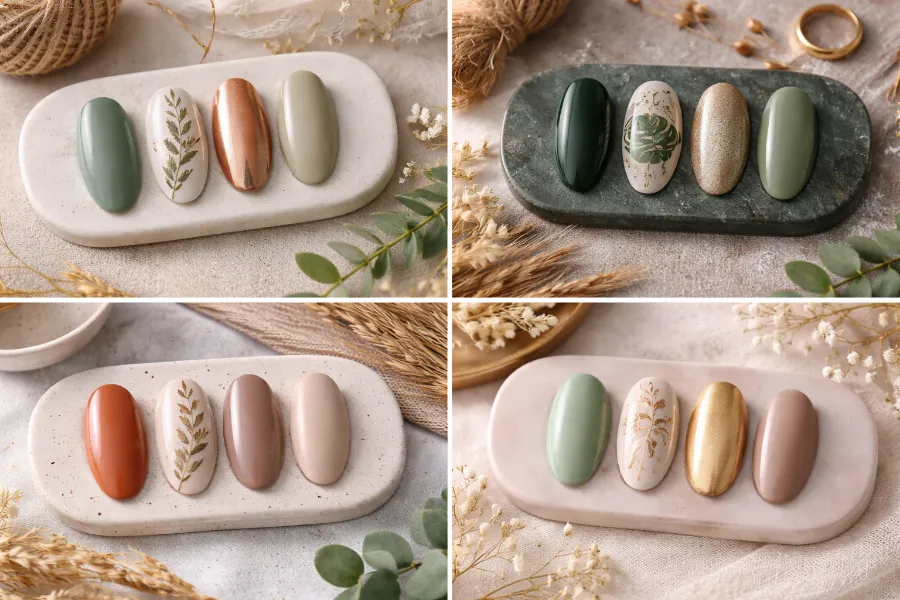
Color choice can make or break plant nail art. The goal isn’t realism—it’s harmony.
Here are palettes that consistently perform well:
| Palette Type | Why It Works |
| Sage & Olive Greens | Soft, wearable, and calming |
| Forest & Emerald | Bold but still natural |
| Neutrals + Green Accents | Keeps designs clean and modern |
| Earth Tones (Clay, Taupe, Sand) | Grounds the greenery |
| Gold or Metallic Details | Adds contrast and polish |
Avoid overly bright neon greens unless the design is intentionally playful or editorial. Subdued tones photograph better and age more gracefully.
Nail Shapes That Complement Plant Nail Art
Plant nail art is organic by nature, which means nail shape matters more than you might think.
Best Shapes for Plant Nail Art
- Almond & Oval: Ideal for flowing vines and curved leaves
- Coffin & Tapered Square: Great for structured, graphic plant designs
- Short Square: Works for minimalist plant nail art with negative space
Longer shapes allow for storytelling and movement. Shorter nails benefit from simplicity and repetition.
Techniques That Make Plant Nail Art Look Professional
The difference between amateur and polished plant nail art often comes down to technique.
Common Techniques Used
- Hand-painting fine botanical details
- Layering sheer colors for depth
- Using decals sparingly for consistency
- Mixing matte and gloss finishes
Negative space deserves special mention. Leaving part of the nail bare can elevate plant nail art instantly, giving the design room to breathe.
Matching Plant Nail Art to Personal Style
One reason plant nail art works so well is its adaptability.
Minimalist Aesthetic
- Neutral base
- One or two plant accents
- Fine line work
Boho or Earthy Style
- Warm neutrals
- Dried-plant tones
- Matte finishes
Luxe Botanical Nails
- Deep green bases
- Gold foil or metallic outlines
- High-gloss top coat
Playful or Creative Looks
- Abstract plant shapes
- Color blocking
- Unexpected color pairings
Plant nail art doesn’t force you into one lane. That’s the appeal.
Seasonal Takes on Plant Nail Art
While plant nail art works year-round, subtle seasonal shifts keep it feeling fresh.
- Spring: Soft greens, fresh leaves, light bases
- Summer: Tropical plants, brighter greens, layered designs
- Fall: Olive, moss, muted earth tones
- Winter: Evergreen-inspired minimal designs
You don’t need to overhaul the concept each season. Small palette changes go a long way.
How to Make Plant Nail Art Last Longer
Detailed designs deserve longevity.
Here’s what actually helps:
- Proper cuticle prep before application
- Thin layers to prevent bulk
- High-quality top coat, reapplied every few days
- Gloves for cleaning and dishwashing
Plant nail art often includes fine lines. Protecting them matters.
DIY vs. Professional Plant Nail Art
Some plant nail art is DIY-friendly. Some isn’t.
Best for DIY
- Decals on neutral bases
- Simple leaf outlines
- Minimal accent nails
Better Left to Professionals
- Multi-layer botanical designs
- Hand-painted vines across nails
- Editorial or highly detailed sets
If precision matters, professional work is worth it.
Styling Plant Nail Art With Outfits
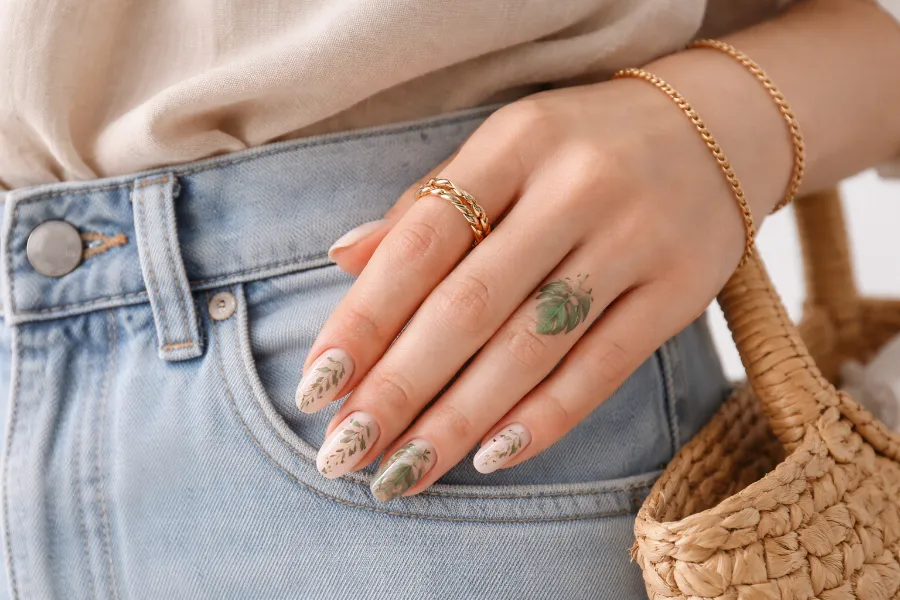
Plant nail art pairs beautifully with texture.
Try combining it with:
- Linen, cotton, or denim
- Neutral wardrobes
- Gold or organic-shaped jewelry
When nails echo the natural feel of your outfit, the entire look feels intentional.
Common Plant Nail Art Mistakes to Avoid
Even strong concepts can miss the mark.
Watch out for:
- Overcrowding every nail
- Poor contrast between base and design
- Ignoring nail shape
- Mixing too many plant styles in one set
Restraint is what makes plant nail art feel elevated.
Why Plant Nail Art Performs So Well Online
Plant nail art photographs beautifully. The colors are soothing. The designs are recognizable without being loud.
On social platforms, it stands out precisely because it doesn’t scream for attention. That subtlety stops the scroll.
Where Plant Nail Art Is Headed Next
Expect to see:
- More textured finishes
- Pressed botanical effects
- Digital-inspired plant graphics
- Sustainability-driven color palettes
Plant nail art isn’t fading. It’s evolving.
Final Thoughts: Let Nature Lead the Design
Plant nail art isn’t about trends. It’s about balance. When done well, it feels calm, modern, and deeply personal.
If you’re choosing your next manicure, designing content, or offering services, plant nail art gives you flexibility without losing impact. That’s rare. And that’s why it works.
Sometimes, the most powerful design choice is the one that feels grounded.
FAQs
Plant nail art features nail designs inspired by greenery, leaves, vines, herbs, and botanical shapes rather than traditional flowers.
Plant nail art focuses on foliage and organic forms, giving it a more modern, earthy, and minimalist feel compared to decorative floral styles.
Yes, plant nail art works beautifully on short nails when designs are kept simple, such as single-leaf accents or fine line details.
Almond and oval shapes enhance flowing botanical designs, while square and coffin shapes suit structured or graphic plant patterns.
No, plant nail art can be created using neutrals, earth tones, or even monochrome palettes, with greenery used only as an accent.
Simple plant nail art designs using decals or minimal line work can be DIY-friendly, but detailed botanical designs are best done professionally.
With proper prep and a quality top coat, plant nail art can last 2–3 weeks, depending on nail growth and daily wear.
Yes, minimalist plant nail art with neutral bases and subtle details is especially popular in professional environments.
Both matte and glossy finishes work well, but matte often enhances earthy designs while gloss adds a polished, modern edge.
Plant nail art is versatile enough to work year-round, with color palettes and plant styles easily adapted for each season.